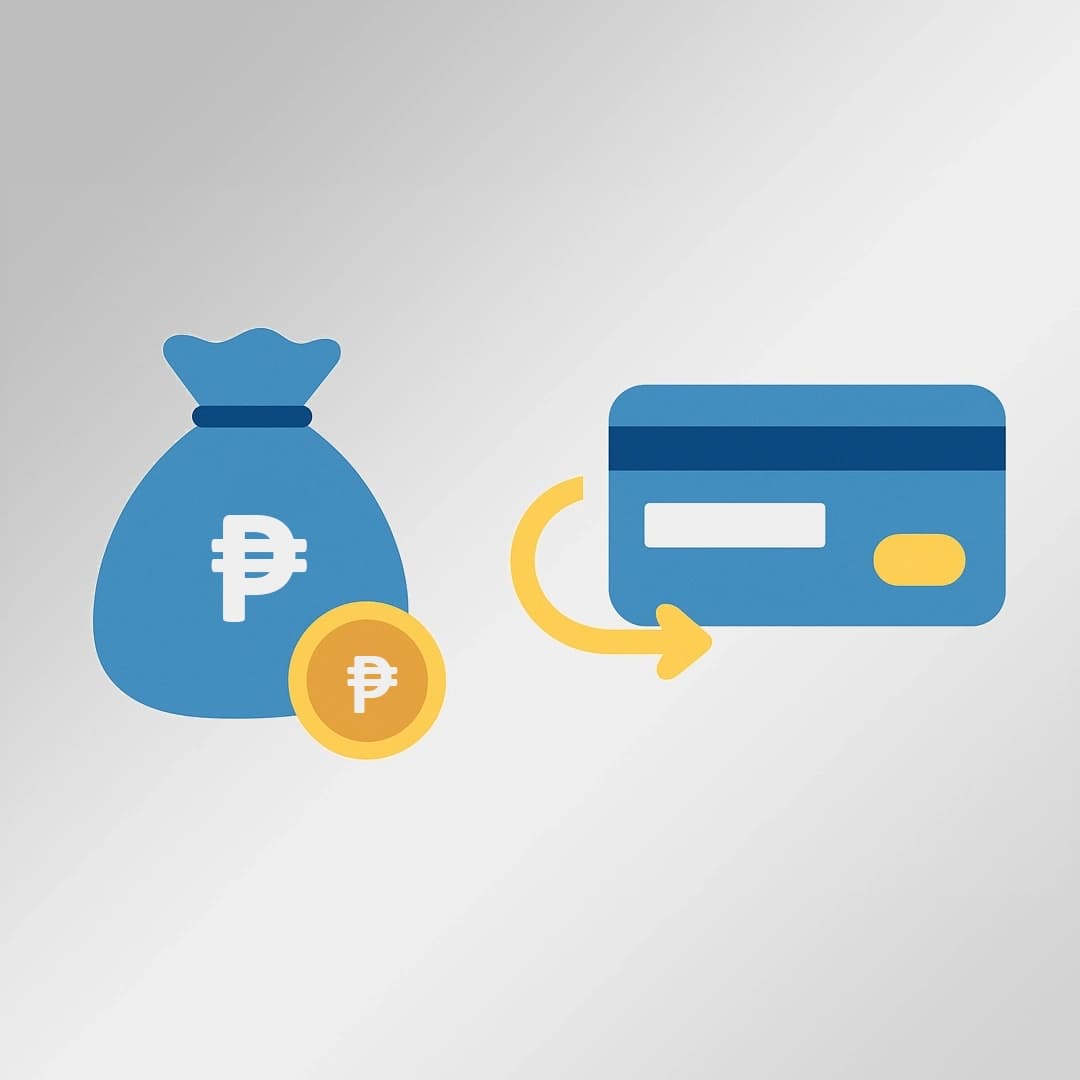
Understanding the difference between loan and credit
When it comes to borrowing money, the terms “loan” and “credit” are often used interchangeably, but they represent two distinct financial tools.
Understanding the difference is crucial for making smart financial decisions, whether you are a business owner or an individual.
The Loan: The Lump Sum Solution
A loan is what is known as an installment loan. When you take out a loan, the lender gives you a single, lump sum of money upfront.
You then agree to pay back that amount, plus interest, in a series of fixed, regular payments, often monthly, over a predetermined period known as the loan term.
Key characteristics of a loan
Loans are usually structured for borrowers who need a specific amount for a specific purpose.
- One-time disbursement: You get all the money at once.
- Fixed repayment schedule: Your payments are the same every month.
- Interest on the full amount: You pay interest on the entire amount you borrowed from day one, regardless of how quickly you use it.
- Common uses: Loans are typically used for large, one-time purchases or expenses, such as a car, a house or mortgage, or a student’s education.
What happens after a loan is fully paid?
Once you have made all your payments and the loan is paid off, the account is closed.
If you need to borrow money again, you will have to reapply for a new loan.
The Credit: The Revolving Door of Funds
Credit, on the other hand, is a revolving line of credit. Instead of receiving a lump sum, you are approved for a maximum credit limit.
You can then borrow from this limit as you need it, and as you repay the amount, your available credit is replenished.
A credit card is the most common example of this.
Key characteristics of credit
Credit is designed for flexible and repeated access to funds, especially when the exact amount needed may change over time.
- Flexible access to funds: You can use as much or as little of your approved limit as you need, whenever you need it.
- Variable payments: Your minimum monthly payment can change depending on your outstanding balance.
- Interest on the amount used: You only pay interest on the money you actually borrow. If you do not use your credit, you do not pay interest, though some credit facilities may have an annual fee.
- Common uses: Credit is great for ongoing or unexpected expenses, like managing day-to-day purchases, covering short-term cash flow gaps, or dealing with an emergency.
How credit stays available
With credit, the account remains open as long as you maintain it.
This gives you continuous access to funds without needing to reapply every time you need to borrow again.
Which One Is Right for You?
The best choice between a loan and a credit facility depends on your specific needs.
- Choose a loan if you need a large, fixed amount of money for a specific purpose, want the predictability of a fixed repayment schedule, and are comfortable paying interest on the full amount from the start.
- Choose credit if you need flexibility, are unsure of the exact amount you will need, and want the ability to borrow and repay funds on an ongoing basis.
Use the right tool wisely
Both loans and credit can be valuable tools for managing your finances.
Knowing the distinction between them is the first step toward using them wisely.